


Wall Brawl - Tower Defense TD
4.6186.00 Reviews
App Specs
- Version
- 0.6.25
- Updated On
- License
- Free
- Downloads
- 100,000+
- Developer
- Homa
- Categories
- Strategy
- Platform
- Android
Screenshots
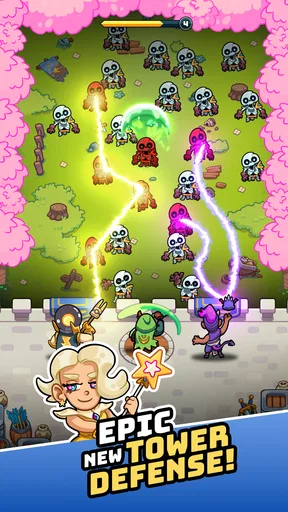
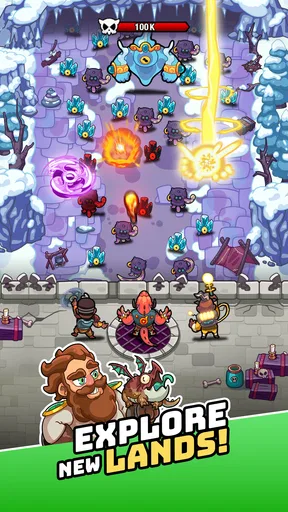

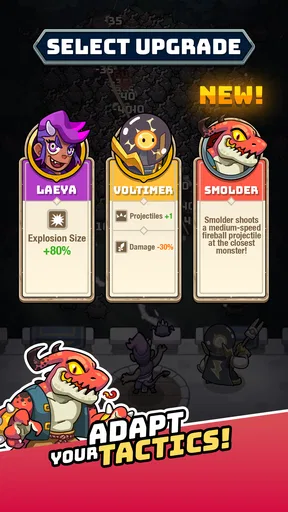
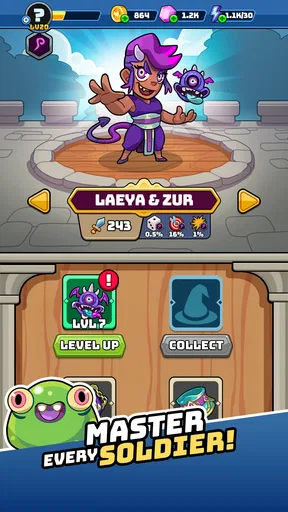
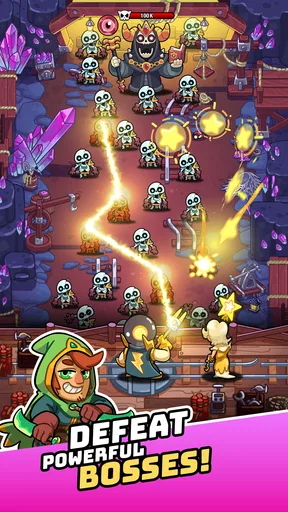
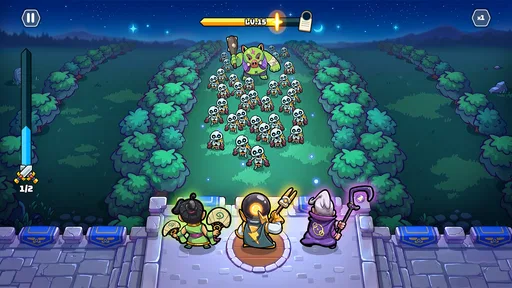
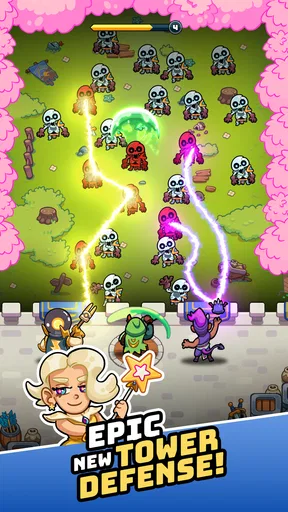
 Analysis by AppCompare
My first impression of Wall Brawl - Tower Defense TD was that it wants to make strategy feel immediate rather than intimidating. It is a free strategy game from Homa, built around defending a castle and managing the pressure of incoming battles. The basic appeal is easy to understand: you are not simply watching numbers rise; you are making decisions about where your defense matters most and when to act before the wall is overwhelmed.
That makes it a comfortable starting point for someone who has never played a tower defense game, while still leaving room for players who enjoy testing different approaches. I found the early experience more approachable than many strategy games that begin with several currencies, menus, and upgrade trees at once. The game’s store short description is simply “Wall Brawl,” but that small phrase captures its direct personality: the action is focused on protecting a stronghold rather than building an enormous empire.
The game is free to download and is marked for Everyone, so it is an easy recommendation for families or younger players who want a light strategic challenge. It includes optional in-app purchases ranging from around one dollar to around one hundred dollars per item, which is worth remembering before handing the device to a child. The current version is 0.6.25, and it runs on Android 7.0 or later.
Starting with the first battle
I use the first battle to learn what deserves attention before I start spending: where the defense is under pressure, how quickly that pressure changes, and whether acting early actually helps. That gives me a practical baseline rather than a string of taps to copy. From there, I can judge each choice by its effect and move on to the tradeoffs that make a defensive plan hold up.
What to expect when you begin
I would approach this as a short-session castle defense game rather than a deep, traditional strategy simulator. The most satisfying moments come from noticing a threat, choosing a response, and seeing that decision protect your position. You do not need to understand every possible improvement before playing well. In fact, trying to learn everything at once is probably the quickest way to make the opening feel more complicated than it needs to be.
The first useful goal is not to clear every encounter perfectly. It is to understand the rhythm of a battle: observe the pressure on the wall, identify what is causing the most trouble, and spend your available resources with a reason instead of tapping every upgrade as soon as it appears. That habit is more valuable than memorizing a particular sequence, because it helps when a later stage changes the balance between speed, durability, and damage.
As a strategy title, the game suits people who like making small corrections during a fight. If you prefer a completely passive experience where the best choice is always obvious, the defensive decisions may feel like work. On the other hand, if you enjoy seeing a plan improve after a failed attempt, the format is inviting. I especially like that the theme gives each choice an immediate purpose: a stronger defense is not an abstract statistic, but another chance to keep the castle standing.
Worth Reading Before You Choose

EA SPORTS FC Mobile 26 Is a Bigger Football Game, but It Takes Time

Flipboard Shows What News Apps Must Do Beyond the Feed

Switching to Android Auto Means Rethinking Your Driving Routine

Google Calendar Makes a Crowded Week Easier to Manage

Ludo King Makes the Most of the Minutes Between Plans

Baby Panda World Brings Quick Play to Modern Phones, but Its Game Library Feels Busy
A sensible first setup
After installing, I recommend beginning with the default experience instead of trying to optimize purchases or search for an ideal build immediately. Play the opening encounter with the sole aim of learning what the game considers a threat. Watch which part of the defense receives pressure first, how quickly the situation changes, and whether your first successful response comes from acting early or waiting for more information.
This is also the right moment to decide whether the control style feels comfortable on your phone. Tower defense games can become frustrating when buttons sit too close together or when a player taps in a panic. I found it more useful to slow down for the first few decisions and confirm what each control does. Once the basic interaction becomes familiar, the battles feel less like a scramble and more like a series of manageable choices.
Because the title is still in version 0.6.25, I would keep expectations realistic about polish and balance. A game at this stage may change as Homa adjusts its systems. That does not prevent it from being enjoyable now, but it does mean I would avoid treating an early strategy as permanently correct. If a tactic works today, use it; if a later update changes the feel of a battle, be ready to reassess rather than assuming you have made a mistake.
Your first meaningful success
The first victory that matters is the one where you can explain why you won. Instead of rushing through the opening, I would make one deliberate decision at a time. Let the initial pressure reveal itself, protect the vulnerable point, and resist spending everything on a tempting improvement unless it solves the problem in front of you. When the castle survives because you prioritized the right danger, you have learned more than you would from simply repeating a winning tap pattern.
A practical routine helped me. At the beginning of a battle, I scan the whole defensive situation before committing. During the middle, I check whether the original threat is still the most urgent one. Near the end, I avoid making a dramatic change just because the battle appears nearly finished. A defense that is stable can still collapse if attention shifts too early. This simple three-part check is a useful way for a new player to stay calm without needing advanced knowledge.
The strongest early habit is to spend for a clear problem, not for the excitement of upgrading. That distinction sounds small, but it changes how the game feels. You begin to recognize when an improvement is genuinely necessary and when it is merely attractive. It also makes failed attempts easier to understand: if you lose, you can ask whether you reacted too late, protected the wrong point, or used your resources without a plan.
Where new players can become confused
The most common confusion in a castle defense game is assuming that the biggest visible threat is always the only important one. I found it safer to consider timing as well as strength. A smaller problem that arrives at the wrong moment can be more damaging than a larger one that is easier to contain. For a first-time player, this means looking beyond the most dramatic target and asking what could disrupt the defense next.
Another easy mistake is changing too many things after one poor result. If you replace every decision at once, you will not know what actually improved the outcome. I prefer changing one variable between attempts: respond earlier, save longer, or focus on a different danger. That method turns repetition into useful practice instead of a guessing game.
Players may also wonder whether they need to buy anything to make progress. I would not begin with that assumption. The free entry point is sufficient for learning the game’s basic decisions, and early spending can hide whether you genuinely enjoy the battles. The optional purchases are better viewed as a convenience or support choice, not as the first step in understanding the strategy. Since individual items can cost from around one dollar to around one hundred dollars, I would use device purchase controls if children may access the game.
The Everyone content rating makes the game broadly accessible, but that does not mean every player will enjoy it. Younger players may appreciate the clear defensive objective, while very young children could still need help understanding when to save resources rather than spend them immediately. For adults, the appeal depends on whether compact tactical decisions are enough. Anyone seeking a long-form kingdom builder with extensive diplomacy, exploration, or simulation may find this too focused.
How it compares with familiar tower defense games
Compared with more elaborate tower defense alternatives, Wall Brawl feels like a cleaner first step. Established games in the genre often reward detailed route planning, complex tower combinations, or long-term map mastery. Those systems can be wonderfully deep, but they also create a steep learning curve. Here, the castle-and-wall framing makes the objective easier to grasp: keep control of the defense, make sensible improvements, and learn from the way each encounter develops.
The trade-off is that players who want a huge amount of experimentation may prefer a more mature tower defense game. A larger alternative can offer more specialized roles and more dramatic differences between maps. I would choose that kind of game when I want to spend an evening studying layouts and building a carefully engineered solution. I would choose this one when I want strategy that can be understood quickly and enjoyed without preparing for a long session.
It also differs from purely idle defense games. In an idle title, much of the satisfaction comes from returning to collect progress. Wall Brawl is more appealing when I am actively paying attention to the defensive situation. That makes it a better fit for a player who wants decisions, but a worse fit for someone looking for a game that advances quietly in the background with minimal involvement.
Useful routines for everyday play
A realistic use case is a short break between tasks. I might play one encounter while waiting for an appointment or during a commute, provided I am not the one driving. The game works best in that situation when I treat the session as a focused exercise rather than trying to rush through several battles. One careful attempt can be more rewarding than a longer session filled with automatic decisions.
For a family, I would suggest letting a new player explain each choice aloud. Asking “What are you protecting first?” or “Why are you spending now?” turns the game into a small lesson in prioritization without making it feel like homework. It also reveals whether the child understands the defensive logic or is simply tapping the most noticeable option. Because purchases are available, I would keep the first sessions supervised if the device is shared.
For experienced strategy players, a useful challenge is to treat each attempt as an efficiency exercise. Try to identify the minimum response needed for the current problem, then save the rest for the next shift in pressure. This does not require inventing a complicated build. It rewards restraint, which is often more difficult than constant upgrading. The insight is especially useful for players who normally solve tower defense stages by overwhelming them with spending.
Another good workflow is to pause mentally after every major defensive change and ask whether the battlefield actually improved. A button press can feel productive even when it does not address the immediate weakness. By checking the result rather than trusting the animation or the promise of an upgrade, I make fewer impulsive choices. That habit carries over well to other strategy games too.
Who should try it, and who should skip it
I would recommend it to a first-time tower defense player, a casual strategy fan, or someone who likes the idea of protecting a castle without committing to a large management game. It is also suitable for players who enjoy learning through repeated attempts. The high average rating of 4.7 from around two thousand ratings suggests that the accessible defensive format has connected with its early audience, while more than one hundred thousand installs show that it has already attracted a meaningful player base.
I would be more cautious recommending it to someone who dislikes repetition. Strategy games built around defense naturally ask you to retry situations and refine decisions. If you want a story-heavy role-playing game, a competitive multiplayer experience, or an enormous construction sandbox, this is probably not the right destination. The same applies if you want a fully settled game with years of accumulated content and balance refinement; the current version indicates an experience that is still developing.
Players who are sensitive to in-app purchase pressure should start carefully and decide in advance whether they will spend. The free price makes trying the game easy, but optional items can become expensive at the upper end. My advice is simple: play enough to know whether the core defense is fun before considering any purchase. If the basic decisions do not hold your attention, buying an advantage will not solve that problem.
The next step after the first victories
Once the opening battles feel familiar, stop looking for a single perfect answer. The better question is which decision fits the situation in front of you. A strategy that succeeds when pressure builds slowly may be less useful when the defense changes quickly. I found the game more interesting when I treated each encounter as a small puzzle rather than expecting one permanent routine to carry me through everything.
Keep your own notes mentally, or use a simple written reminder if you are serious about improving: what caused the loss, what you protected first, and whether you spent too early. This is more valuable than copying advice from another player because your mistake may come from timing rather than from the same weakness they faced. It also gives each retry a purpose.
After that, the choice is whether the game deserves a regular place on your device. Homa has made the entry point friendly, and the castle-defense focus gives the strategy a clear identity. I would keep playing if I wanted compact tactical sessions and enjoyed watching careful decisions stabilize a difficult situation. I would move to a deeper alternative if I started craving intricate layouts, broader progression, or more varied strategic systems.
Overall, Wall Brawl - Tower Defense TD is a promising free strategy game for players who want an uncomplicated route into castle defense. It is not trying to replace every large tower defense experience, and that is part of its appeal. The best way to enjoy it is to begin slowly, learn what each battle is asking, and judge purchases separately from the quality of the core play. With an Everyone rating, support for Android 7.0 and later, and Homa behind the project, it is easy to try; the real question is whether its focused, repeat-and-improve rhythm matches your taste.
Pros
- Quick matches make it easy to play during short breaks.
- Tower placement encourages strategic planning and experimentation.
- Bright visuals make enemy waves easy to follow.
- Progression gives players reasons to revisit completed stages.
- Works well for players who enjoy casual strategy challenges.
Cons
- Later waves may feel repetitive after extended play sessions.
- Some upgrades can take time to unlock without regular play.
- The small battlefield may limit strategic variety in certain levels.
- Difficulty spikes can make progress feel uneven for some players.
- Players seeking deep campaign storytelling may find it limited.
FAQs for Wall Brawl - Tower Defense TD
What is Wall Brawl - Tower Defense TD?
Wall Brawl - Tower Defense TD is a strategy game focused on defending your base or wall against successive enemy attacks. You typically place, upgrade, and manage defensive units while trying to stop increasingly difficult waves. The game combines tower-defense planning with action-oriented battles, so success depends on choosing suitable defenses, improving them at the right time, and adapting your strategy to different opponents.
How does the gameplay work in Wall Brawl - Tower Defense TD?
The core gameplay revolves around preparing your defenses before and during enemy waves. Players must decide where to position towers or defensive tools, which upgrades offer the greatest benefit, and when to spend available resources. As stages become harder, simply using the strongest unit is not always enough; effective combinations, careful placement, and timely upgrades are important for surviving tougher attacks.
Is Wall Brawl - Tower Defense TD free to download and play?
Wall Brawl - Tower Defense TD may be available as a free download, but the exact monetization can depend on the Android or iOS version and the region where it is offered. Free games commonly include optional purchases, advertisements, or systems that help players progress more quickly. Before downloading, check the store listing for current pricing, in-app purchase details, and any age or content information.
Can Wall Brawl - Tower Defense TD be played offline?
Offline availability is an important detail to verify before installing Wall Brawl - Tower Defense TD. Some tower-defense games allow campaign stages to be played without an internet connection, while advertisements, cloud saves, events, updates, or certain online features may require access. Because this can change between versions, review the official store description and test the game after installation rather than assuming every mode works offline.
Is Wall Brawl - Tower Defense TD suitable for casual players?
Wall Brawl - Tower Defense TD can suit casual players who enjoy short strategic sessions and gradual progression, especially if they like defending against waves and improving their setup over time. However, later stages may require more experimentation and attention than the opening levels. Players who dislike repeated attempts, advertisements, resource management, or increasingly challenging battles should review the game’s current features before downloading.


